Understanding PTZ Cameras: Features, Functions, and Applications
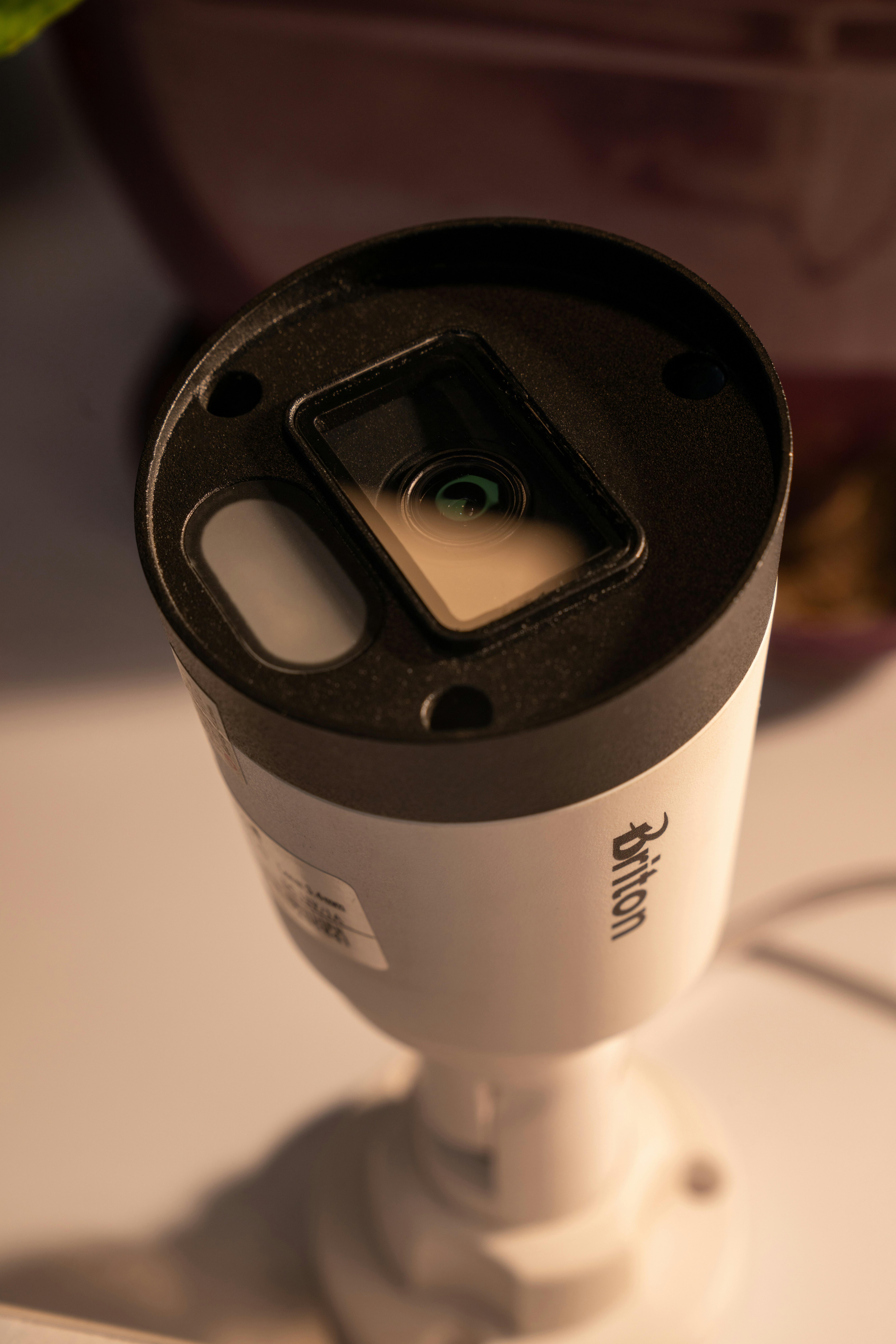
Introduction to PTZ Cameras
PTZ cameras, an acronym for Pan-Tilt-Zoom cameras, represent a significant advancement in the realm of surveillance and security technology. These versatile devices combine three critical movements: panning from side to side, tilting up and down, and zooming in and out on subjects or areas of interest. This functionality allows operators to monitor expansive spaces with greater detail and precision, making them indispensable tools in various applications, such as traffic management, public safety, and remote monitoring.
The evolution of camera technology has been remarkable. Initially, analog cameras provided basic surveillance by capturing static images. However, as security needs grew, so too did the limitations of these early systems. The introduction of digital cameras provided enhanced resolution and the ability to record and store footage electronically. This advancement paved the way for more sophisticated technologies, including motion detection and remote access capabilities.
The development of PTZ cameras emerged in response to the increasing demand for comprehensive monitoring solutions. With the realization that static cameras could miss significant events happening outside their fixed frames, the PTZ mechanism allowed for greater coverage and control. By enabling operators to adjust the camera’s position and zoom in on specific details remotely, PTZ cameras offer a level of flexibility that is unattainable with traditional stationary systems.
Moreover, advancements in wireless communication, such as Wi-Fi and cellular technology, have enhanced the functionality of PTZ cameras, allowing them to be deployed in diverse environments. From industrial sites to urban landscapes, these cameras deliver real-time surveillance and are vital in deterring crime, ensuring safety, and improving operational efficiency across various sectors.
Key Features of PTZ Cameras
Pan-Tilt-Zoom (PTZ) cameras offer a versatile solution for surveillance, combining several essential features that enhance monitoring capabilities. The primary characteristic of PTZ cameras is their ability to pan (move horizontally), tilt (move vertically), and zoom (magnify the image) remotely, allowing operators to have complete control over their field of view. This functionality is particularly useful in large areas, where stationary cameras may not sufficiently cover all angles.
Resolution is a crucial factor when assessing PTZ cameras. They are available in various resolutions, including HD and 4K, enabling superior image clarity for detailed monitoring. High-resolution images ensure that the quality of the footage remains intact, even when zoomed in, making it easier to identify targets in surveillance scenarios.
When it comes to zoom capabilities, PTZ cameras typically feature both optical and digital zoom options. Optical zoom offers superior quality as it uses the camera’s lens to magnify the image, thus maintaining clarity. In contrast, digital zoom enlarges the image electronically, which may result in a decrease in quality. Hence, it is advisable to prioritize PTZ cameras with robust optical zoom features for effective surveillance.
Another noteworthy feature of PTZ cameras is their night vision capabilities. Many modern PTZ cameras are equipped with infrared technology, which allows for clear imaging even in low-light conditions. This is essential for around-the-clock surveillance, as security threats can occur at any time.
Additionally, integrated technologies such as motion detection and auto-tracking significantly enhance the functionality of PTZ cameras. Motion detection alerts users when movement is detected, while auto-tracking allows the camera to follow a moving subject automatically. These features help reduce the need for constant manual monitoring, making PTZ cameras an efficient choice for security surveillance.
How PTZ Cameras Work
Pan-Tilt-Zoom (PTZ) cameras employ a sophisticated mechanism that enables users to remotely control their movement and focus. At the core of their functionality are motors that facilitate the pan (horizontal movement), tilt (vertical movement), and zoom capabilities. These internal components allow for a dynamic range of motion—typically up to 360 degrees for pan, and a vertical range of 180 degrees for tilt. The zoom function, usually provided through a telephoto lens, allows users to focus on subjects at varying distances, effectively improving surveillance and monitoring capabilities.
Control mechanisms for PTZ cameras can be broadly categorized into two types: software and hardware. Software control is often implemented through web-based applications or dedicated software, enabling users to maneuver the camera via a user-friendly interface. Users can initiate movement commands or set pre-programmed patrol routes, which allow the camera to automatically scan defined areas. On the other hand, hardware control involves physical devices, such as joystick controllers, which provide a tactile method of controlling the camera’s movements and lens adjustments directly. This dual approach ensures that PTZ cameras remain versatile, catering to various user preferences and operational scenarios.
Connectivity plays a critical role in the operation of PTZ cameras. They can either be connected through wired or wireless networks. Wired connections, such as Ethernet cables, offer a reliable and stable throughput for video transmission. Conversely, wireless PTZ cameras utilize Wi-Fi or cellular networks, providing greater flexibility in terms of installation locations. However, the choice between wired and wireless connectivity may affect video quality, latency, and the overall reliability of the camera’s performance. Therefore, understanding these mechanisms is essential for optimal utilization of PTZ cameras in diverse environments.
Advantages of Using PTZ Cameras
PTZ (Pan-Tilt-Zoom) cameras offer a distinct set of advantages over traditional fixed cameras, making them an increasingly popular choice in surveillance systems. One of the primary benefits of PTZ cameras is their versatility in monitoring large areas. With the ability to pan across an expansive field of view, tilt to capture various angles, and zoom in on specific subjects, PTZ cameras can cover more ground compared to fixed cameras that only focus on a singular perspective. This feature empowers operators to track movements and changes within wide-ranging environments, such as parking lots, shopping malls, and public venues, all from a central control point.
Additionally, the cost-effectiveness of PTZ cameras significantly enhances their appeal. Traditional surveillance often requires multiple fixed cameras to monitor extensive areas, leading to increased installation and maintenance costs. In contrast, a single PTZ camera can do the work of several fixed units, effectively reducing the number of cameras required for comprehensive coverage. By managing fewer devices, organizations can save not only on hardware costs but also on the infrastructure and labor associated with installation and upkeep.
Moreover, the presence of PTZ cameras serves as a powerful visual deterrent against criminal activities. Their ability to zoom in and provide clear imagery enhances the effectiveness of monitoring, deterring potential offenders who may think twice before committing a crime under the watchful eye of a PTZ camera. This capability, combined with the ability to swiftly adjust the camera’s position, can significantly improve real-time response to suspicious activities. Overall, the multifaceted capabilities of PTZ cameras not only streamline surveillance efforts but also contribute meaningfully to the prevention of crime in monitored areas.
Common Applications of PTZ Cameras
PTZ cameras, known for their versatility and advanced features, are increasingly being utilized across various sectors to enhance security and surveillance. One of the most prominent applications of these cameras is in urban surveillance. Municipalities often deploy PTZ cameras in public spaces to monitor real-time activities, deter crime, and ensure public safety. The ability to pan, tilt, and zoom allows operators to cover large areas efficiently, making them ideal for monitoring streets, parks, and crowded public events.
Another significant area of application is in transportation. PTZ cameras are commonly installed at traffic intersections, public transit stations, and along highways. They assist in monitoring traffic flow, identifying accidents, and enhancing overall road safety. This technology ensures that transport authorities can respond swiftly to incidents by capturing crucial footage that can aid in investigations.
Casino security is also a critical domain for PTZ cameras. Given the high-stakes nature of gambling venues, the need for robust surveillance systems is paramount. PTZ cameras can cover expansive floor areas, enabling security personnel to monitor gaming activities effectively. Their ability to zoom in on specific targets helps in detecting suspicious behavior and preventing potential fraud.
In addition to these applications, PTZ cameras are widely utilized in public facilities such as airports, shopping malls, and sports arenas. These environments benefit from the flexibility offered by PTZ technology, providing security teams with a comprehensive view of larger spaces while still retaining the capacity to focus on specific threats as they arise. With their adaptability to diverse environments and unique security needs, PTZ cameras play a vital role in modern surveillance solutions.
Comparing PTZ Cameras to Other Surveillance Systems
When it comes to surveillance systems, various camera types cater to different needs and environments. Among these options are PTZ (pan-tilt-zoom) cameras, fixed cameras, bullet cameras, and dome cameras. Each type has its unique features, strengths, and weaknesses, which should be carefully considered when selecting the best solution for security needs.
PTZ cameras are distinguished by their ability to move both horizontally and vertically while also allowing for zooming in on specific areas. This flexibility makes them suitable for large spaces where monitoring multiple areas is essential. For instance, a single PTZ camera can cover significant distances and adapt its focus in response to detected movements, effectively reducing the need for numerous fixed cameras.
In contrast, fixed cameras offer a stationary view of a designated area, making them cost-effective solutions for monitoring specific spots. Typically, these cameras lack the mobility found in PTZ models, which can be a disadvantage in situations where broader coverage is required. However, they possess advantages such as ease of installation and lower maintenance costs due to fewer moving parts.
Bullet cameras, characterized by their cylindrical shape, are designed for long-distance surveillance. They are particularly effective for outdoor use, as they often come with protective casings for weatherproofing. Though they provide excellent visibility, bullet cameras are limited in terms of field of view, lacking the precise maneuverability of PTZ cameras.
Dome cameras, on the other hand, are known for their discreet design and are often installed in public spaces. Their rounded shape can deter vandalism, while their ability to operate in a variety of lighting conditions increases their effectiveness. However, they generally provide a fixed perspective, making them less versatile than PTZ options.
In determining whether to utilize PTZ cameras, one must evaluate specific security needs. For dynamic environments requiring the observation of changing scenes, PTZ cameras are recommended. Conversely, for consistent surveillance of fixed areas, other camera types may offer a more simplified and economical solution.
Installation and Maintenance of PTZ Cameras
The installation of PTZ (pan-tilt-zoom) cameras requires a systematic approach to ensure optimal performance and functionality. The first step in the installation process is a comprehensive site assessment. This assessment should evaluate the area where the camera will be installed, identifying critical factors such as lighting conditions, potential obstructions, and the desired field of view. This analysis will inform the placement and configuration of the camera, allowing for adequate coverage of the monitored area.
Once the site assessment is complete, attention must be directed towards power supply considerations. PTZ cameras typically require a stable power source, which can often be delivered through Power over Ethernet (PoE) technology. PoE facilitates both power supply and data transmission through a single cable, simplifying installation. If PoE is not feasible, a dedicated power line may be required. Installing surge protectors can also be beneficial to safeguard the cameras from electrical damage.
Next, proper mounting techniques are crucial for ensuring the camera’s longevity and effectiveness. Depending on the specific model and the environment, mounting on a wall, pole, or ceiling may be appropriate. It is essential to follow the manufacturer’s specifications regarding weight limits and installation heights, as well as ensuring that the camera is securely fastened to withstand external factors such as wind or vibrations.
To maintain the performance of PTZ cameras, regular maintenance practices should be implemented. Cleaning the camera lens with appropriate materials will prevent image quality degradation caused by dust or debris. Additionally, keeping the camera’s firmware updated ensures that features and security measures are current. Regular inspections of the camera’s operational status, including checking the tilt and zoom functionality, will help identify potential issues early, promoting longevity and reliability.
Choosing the Right PTZ Camera for Your Needs
Selecting the appropriate PTZ (Pan-Tilt-Zoom) camera requires careful consideration of various factors tailored to your specific application. First and foremost, resolution plays a pivotal role in image quality. Higher resolution cameras, such as those boasting 4MP or 1080p, offer clearer images, which is particularly crucial for scenarios requiring detailed facial recognition or license plate identification. Always evaluate your environment; if low light is a concern, consider models equipped with low-light capabilities or infrared night vision.
The range of motion is another essential factor. PTZ cameras can vary significantly in their pan and tilt capabilities. A camera with a 360-degree pan function and a generous tilt range will provide comprehensive coverage, making it suitable for larger areas, such as parking lots or warehouses. Therefore, assess the specific areas you wish to monitor and evaluate camera specifications to ensure adequate coverage without blind spots.
Lens quality directly impacts the zoom capabilities and clarity of images. Optical zoom lenses are preferable over digital zoom, as they maintain image quality regardless of the zoom level. It is advisable to look for a camera with at least a 20x optical zoom for effective long-distance monitoring. Additional features, such as built-in analytics, motion detection, and remote access, can enhance functionality and convenience. Ensure that these features align with your monitoring needs.
Budget remains a critical consideration when choosing a PTZ camera. While reputable brands like Hikvision, Dahua, and Axis Communications offer high-quality options, it is essential to assess your requirements and find a model that provides the best balance between features and cost. By evaluating these crucial aspects, you can confidently select a PTZ camera that suits your specific needs and provides reliable, high-quality surveillance.
Future Trends in PTZ Camera Technology
The evolution of PTZ (Pan-Tilt-Zoom) camera technology is pivotal in enhancing security and surveillance systems. As we look ahead, several emerging trends are shaping the future of PTZ cameras. One of the most significant advancements is the integration of artificial intelligence (AI). AI enhances surveillance capabilities by enabling functions such as automatic object tracking, facial recognition, and anomaly detection. This technology allows PTZ cameras to make real-time decisions, optimizing the efficiency of monitoring operations. With the rise of smart cities, this AI integration can significantly improve public safety by providing timely alerts to law enforcement when unusual activities are detected.
Another key trend is the development of cloud storage options. Cloud-based solutions offer substantial benefits, including scalable storage, remote access, and simplified management. Users can store vast amounts of data without the need for extensive physical hardware and retrieve footage from anywhere with internet connectivity. This convenience is particularly beneficial for businesses and organizations with multiple locations that require centralized surveillance management. Additionally, cloud storage enhances data security, as it can offer features such as encryption and backup protocols to safeguard sensitive information.
Improved image processing capabilities also play an essential role in the future of PTZ camera technology. Enhanced image sensors and processing algorithms provide better low-light performance, higher resolution, and clearer images even when zoomed in. This advancement is crucial for various applications, including law enforcement and traffic monitoring, where high-definition images can make a significant difference in identifying incidents and individuals. As technology progresses, we can anticipate even more sophisticated features, such as 360-degree panoramic views and integration with other smart devices, further enhancing the functionality of PTZ cameras in security applications.